
Favorite Options For Rotten Column Replacement Equipment
Identify essential tools and materials preferred by professionals for efficient and reliable column restoration.
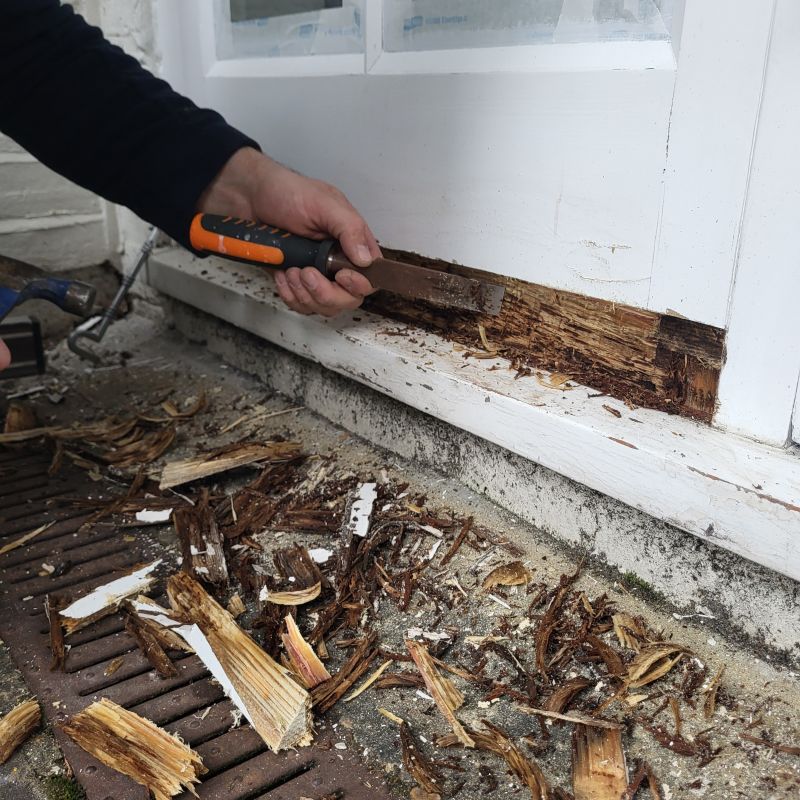 Replacing rotten or damaged building columns is a crucial task in maintaining the structural integrity and aesthetic appeal of a property. When columns deteriorate due to age, moisture, or other factors, they can compromise the stability of porches, decks, and other architectural features. Selecting the right replacement products ensures safety, durability, and seamless integration with existing structures. Whether restoring a historic property or upgrading a modern building, choosing appropriate materials and components is essential for a successful project.
Top Overall Option
Premium Composite Column
A premium composite column offers a durable, low-maintenance solution that resists rot, pests, and weathering. Its realistic appearance mimics traditional wood while providing enhanced longevity. Easy to install with adjustable features, it is suitable for both DIY enthusiasts and professionals seeking a reliable replacement option.
Types of Products For Rotten Column Replacements
Fiberglass Columns
Fiberglass columns are lightweight, strong, and resistant to moisture, making them ideal for exterior applications.
PVC Vinyl Columns
PVC vinyl columns require minimal maintenance and offer good resistance to rot and pests, suitable for various architectural styles.
Wooden Columns
Traditional wood columns provide authentic appearance but may require regular maintenance to prevent rot and damage.
Composite Columns
Composite columns blend durability with aesthetic appeal, combining materials like resin and fiberglass for long-lasting performance.
Steel Columns
Steel columns are strong and capable of supporting heavy loads, often used in commercial or large-scale projects.
Concrete Columns
Concrete columns are highly durable and suitable for structural support, often reinforced with steel for added strength.
Decorative Fluted Columns
Fluted columns add classical architectural detail and are available in various materials for aesthetic enhancement.
Doric Style Columns
Doric style columns feature simple, sturdy design elements, ideal for traditional or historic restorations.
Round Tapered Columns
Tapered columns offer a graceful appearance and are often used in porch or entryway designs.
Square Columns
Square columns provide a modern or rustic look, available in multiple materials for versatility.
Louvered Columns
Louvered columns combine structural support with decorative slats, suitable for shaded porch areas.
Hollow Columns
Hollow columns are lightweight and easy to install, often used for decorative purposes or lightweight supports.
Solid Core Columns
Solid core columns offer increased strength and stability, ideal for load-bearing applications.
Adjustable Base Columns
Columns with adjustable bases allow for precise height adjustments during installation, ensuring proper fit.
Pre-finished Columns
Pre-finished columns come ready to install with color and texture applied, reducing on-site work.
Custom Molded Columns
Custom molded columns can replicate intricate architectural details, suitable for restoration projects.
Popular Choices
PVC vinyl columns are widely favored for their low maintenance and weather resistance, fitting many exterior styles.
Fiberglass columns are popular for their strength and ease of installation, suitable for various climates.
Wooden columns remain a classic choice for authentic appearance, especially in traditional or historic settings.
Composite options are favored for their durability and realistic look, combining traditional style with modern resilience.
Decorative fluted columns are trending for adding architectural detail and elegance to porch designs.
Square columns are popular for their clean lines and versatility across contemporary and rustic styles.
Doric style columns are often used in restorations and traditional architecture for their sturdy appearance.
Tapered columns are trending for their elegant profile and classic appeal in porch designs.
Hollow columns are favored for lightweight installation and decorative use in modern projects.
Adjustable base columns are popular for ensuring perfect alignment during installation.
Pre-finished columns are trending for quick, hassle-free installation with consistent color and finish.
Reinforced concrete columns are used for high-strength applications requiring long-term durability.
Modern replacement options offer a variety of materials including composite, fiberglass, vinyl, and wood. Each material comes with its own set of advantages, such as resistance to rot, ease of installation, or visual similarity to traditional wood. It's important to consider the specific needs of the project, such as load-bearing requirements, exposure to weather, and aesthetic preferences. Properly matching the size, style, and finish of new columns to existing architecture can significantly enhance the overall appearance.
Installation methods vary depending on the type of replacement product selected. Some products are designed for straightforward DIY installation, with features like pre-drilled holes and adjustable bases, while others may require professional assistance for optimal results. Additionally, some replacement columns come with mounting brackets or hardware that facilitate secure attachment to existing structures. Proper preparation, measurement, and adherence to safety standards are vital throughout the process.
Investing in high-quality replacement products can extend the lifespan of your structure and reduce future maintenance costs. Regular inspections and timely replacements prevent further deterioration and help maintain the safety and stability of your property. By understanding the different options available and considering your specific needs, you can select the most appropriate products for your rotten column replacement project, ensuring a durable and visually appealing outcome.
Key Buying Considerations
- Material durability and resistance to rot, pests, and weathering
- Compatibility of size and style with existing structures
- Ease of installation, including whether DIY or professional assistance is needed
- Maintenance requirements over the lifespan of the product
- Structural load-bearing capacity and safety standards
- Aesthetic match to architectural style and desired appearance
- Cost and budget constraints for the project
- Availability of hardware and mounting options
- Color options and finish quality
- Warranty or guarantee offered by the manufacturer
- Compatibility with existing foundation or mounting surfaces
- Resistance to UV rays if exposed to direct sunlight
- Environmental exposure factors such as moisture, salt, or pollution
- Flexibility for height adjustments during installation
- Ease of customization or molding for unique architectural details
This content contains affiliate links. We may earn a commission if you make a purchase through these links, at no additional cost to you.