Optimal Timing for Rotten Column Replacement
Determining the optimal time for rotten column replacements depends on various factors, including structural integrity, weather conditions, and project urgency. Typically, replacement is most effective when the deterioration is identified early, before significant damage occurs. Seasonal considerations, such as avoiding harsh winter conditions or periods of heavy rainfall, can influence scheduling to ensure safety and quality.
Dry and mild weather periods are ideal for replacements, minimizing delays and complications.
Urgent cases may require immediate action regardless of season, prioritizing safety and stability.
Regular inspections help identify decay early, enabling timely replacements.
Scheduling during spring or early summer often provides favorable conditions for construction activities.
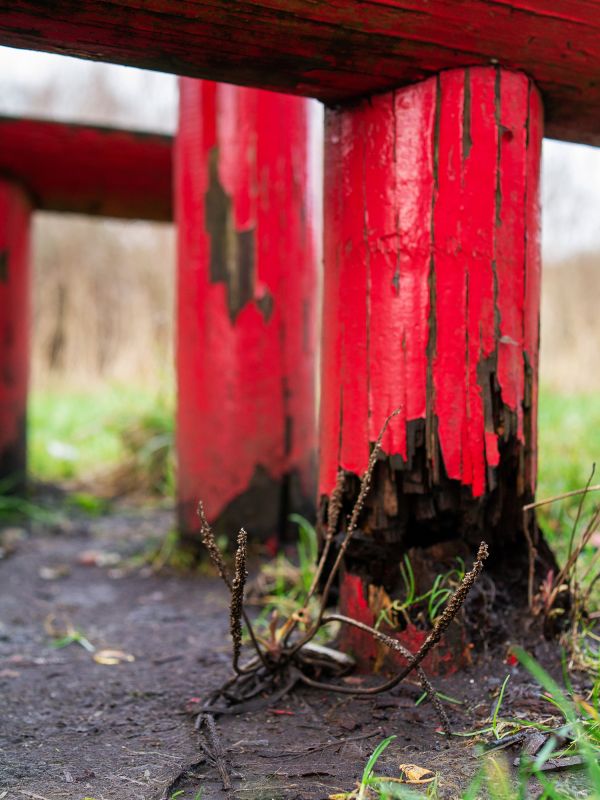
Visual assessment of columns for signs of decay and structural weakness.
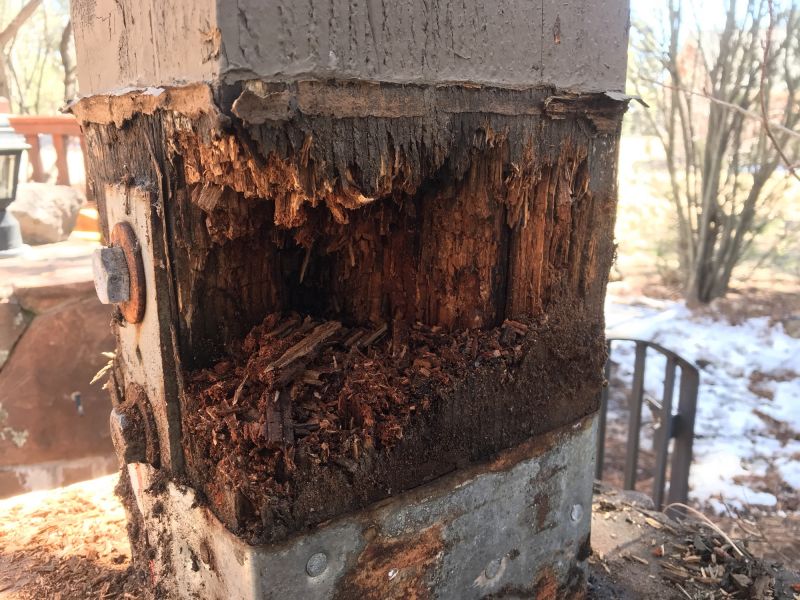
Performing replacements during dry seasons ensures better results.
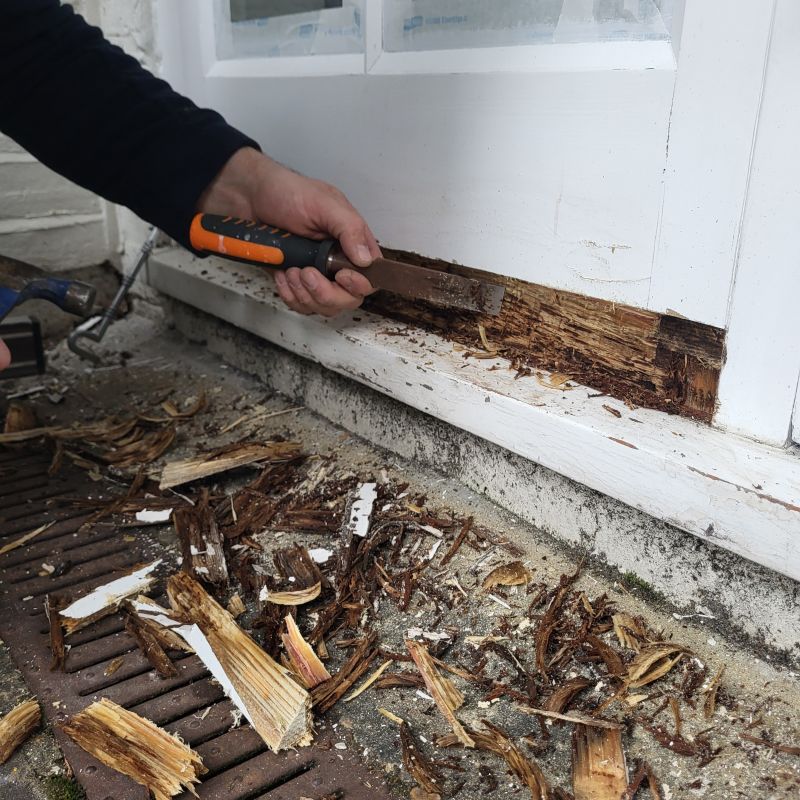
Replacing columns at the right time maintains structural integrity.

Ways to make Rotten Column Replacements work in tight or awkward layouts.

Popular materials for Rotten Column Replacements and why they hold up over time.

Simple add-ons that improve Rotten Column Replacements without blowing the budget.
| Factor | Consideration |
|---|---|
| Weather Conditions | Dry, mild weather reduces delays and risks during replacement. |
| Structural Assessment | Early detection allows for planned, less invasive repairs. |
| Seasonal Timing | Spring and early summer are often optimal for construction activities. |
| Project Urgency | Immediate replacements may override seasonal considerations. |
| Inspection Frequency | Regular checks facilitate timely intervention. |
| Environmental Factors | Avoid periods of heavy rain or snow for safety and quality. |
Rotten column replacements are crucial for maintaining the safety and stability of structures. Timely intervention can prevent extensive damage and costly repairs in the future. Accurate assessment and planning based on seasonal and environmental factors contribute to successful outcomes. Regular inspections and early detection are key elements in scheduling replacements effectively.
Close-up of decay signs on structural columns.
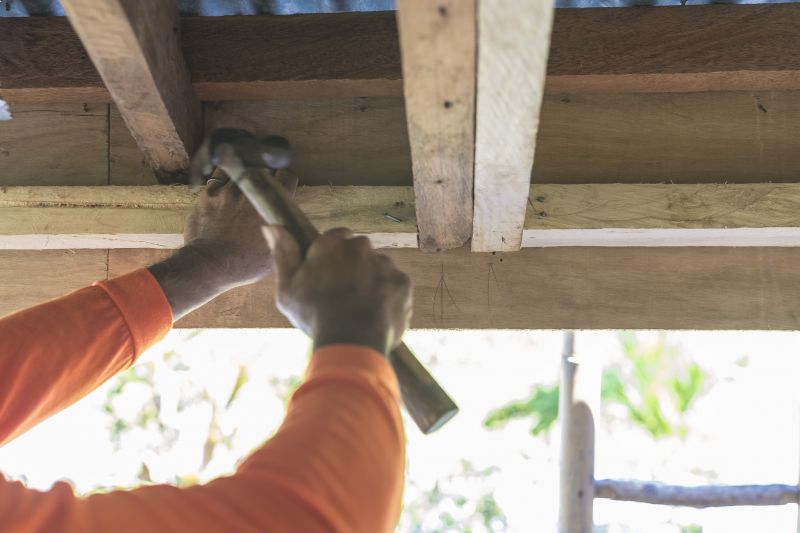
Workers replacing a damaged column during favorable weather.

Newly installed column restoring structural integrity.

Assessment phase before scheduling replacement work.
For those considering rotten column replacements, understanding the ideal timing can significantly impact the durability and safety of the structure. Regular inspections and awareness of seasonal weather patterns are essential. Prompt action during early signs of decay prevents escalation of damage and ensures long-term stability.
Fill out the contact form to discuss scheduling or for more information about rotten column replacements.